SUBSCRIBE | LOG IN TO THE FIRST FOOD CONNECTION HUB 
U.S. Breastfeeding Committee
  • USBC Membership
    • USBC Member Directory
    • Join USBC
    • Membership Benefits & FAQs
    • Membership Fee Schedules
    • Membership Interest Form & Affiliated Coalitions Directory Request Form
  • Policy & Actions
    • Constellation Work Groups >
      • Infant & Young Child Feeding in Emergencies Constellation
      • Disrupting Formula Marketing Constellation
      • Lactation Support Providers Constellation
      • Pasteurized Donor Human Milk Constellation
      • Workplace Support Constellation
    • Active Legislation
    • Breastfeeding Policy Map
    • Existing Legislation
    • Federal Policies, Programs, & Initiatives
    • PUMP Act >
      • The PUMP Act Explained
      • PUMP Act Implementation Resources
      • Know Your Rights-PUMP-Act--PWFA
    • Federal Appropriations for Breastfeeding
    • Take Action
    • Letters & Public Comments
  • Resources
    • USBC Directories >
      • USBC Member Directory
      • Affiliated Coalitions Directory
    • Breastfeeding References
    • Breastfeeding Resources for Parents
    • Breastfeeding In Emergencies >
      • Infant Formula Recall and Shortage
    • Constellation Developed Resources
    • Image Gallery Access
    • Lactation Support Provider Training Directory >
      • Lactation Support Providers Pathways
    • Learning Opportunities
    • Monthly Observances
    • State Breastfeeding Reports
    • USBC Data Survey
  • News & Events
    • Annual Conference
    • Events Calendar
    • National Breastfeeding Month
    • USBC in the Media
    • USBC News & Blogs
    • Weekly Wire Newsletter
  • About Us
    • About the USBC
    • Explaining our "Why"
    • Our Team
    • Job Opportunities
    • Board of Directors
    • USBC Committees
    • Diversity, Equity, and Inclusion
    • History
    • Community Agreements & Guidelines
    • Annual Reports
    • Ways to Give
    • Contact Us
  • USBC Membership
    • USBC Member Directory
    • Join USBC
    • Membership Benefits & FAQs
    • Membership Fee Schedules
    • Membership Interest Form & Affiliated Coalitions Directory Request Form
  • Policy & Actions
    • Constellation Work Groups >
      • Infant & Young Child Feeding in Emergencies Constellation
      • Disrupting Formula Marketing Constellation
      • Lactation Support Providers Constellation
      • Pasteurized Donor Human Milk Constellation
      • Workplace Support Constellation
    • Active Legislation
    • Breastfeeding Policy Map
    • Existing Legislation
    • Federal Policies, Programs, & Initiatives
    • PUMP Act >
      • The PUMP Act Explained
      • PUMP Act Implementation Resources
      • Know Your Rights-PUMP-Act--PWFA
    • Federal Appropriations for Breastfeeding
    • Take Action
    • Letters & Public Comments
  • Resources
    • USBC Directories >
      • USBC Member Directory
      • Affiliated Coalitions Directory
    • Breastfeeding References
    • Breastfeeding Resources for Parents
    • Breastfeeding In Emergencies >
      • Infant Formula Recall and Shortage
    • Constellation Developed Resources
    • Image Gallery Access
    • Lactation Support Provider Training Directory >
      • Lactation Support Providers Pathways
    • Learning Opportunities
    • Monthly Observances
    • State Breastfeeding Reports
    • USBC Data Survey
  • News & Events
    • Annual Conference
    • Events Calendar
    • National Breastfeeding Month
    • USBC in the Media
    • USBC News & Blogs
    • Weekly Wire Newsletter
  • About Us
    • About the USBC
    • Explaining our "Why"
    • Our Team
    • Job Opportunities
    • Board of Directors
    • USBC Committees
    • Diversity, Equity, and Inclusion
    • History
    • Community Agreements & Guidelines
    • Annual Reports
    • Ways to Give
    • Contact Us

Disrupting ​Formula Marketing Constellation

Picture
In 2021, the USBC hosted a three-part webinar series: Unpacking Commercial Milk Formula Marketing: Communities, Contexts, and Impacts. This series marked the 40th anniversary of the adoption of the International Code of Marketing of Breast-milk Substitutes and is part of an effort to create a shared understanding of commercial milk formula marketing practices and the disparate impact of marketing practices on communities in the U.S. and around the world. The sessions are available for viewing below. 
This constellation is in the early formation stage. If you represent a USBC member organization that has interest and capacity to join in this topic, please reach out to [email protected] to express interest.

Unpacking Commercial Milk Formula Marketing Webinar Series: Communities, Contexts, and Impacts


Session One: Commercial Milk Formula Marketing: International Contexts and Tools

Picture
The U.S. plays a significant role in the global economy but has yet to adopt the International Code of Marketing of Breast-Milk Substitutes.

In the first session of this series, Laurence Grummer-Strawn, MPA, MA, PhD and Rachel Crossley, MSc help us learn about the aggressive and unethical marketing of commercial milk formula that undermines efforts to improve breastfeeding. Dive into the International Code of Marketing of Breast-milk Substitutions in this session, learn how to become an advocate for change, and discover how we can collectively take action to address today's global nutrition crisis.
Session handouts
Download Links to WHO Publications to Support WHO Code Implementation for Code and WHA resolutions, the NetCode monitoring toolkit, FAQ's on the Code, online training courses, Code status reports, and more.
Presenter slides
Access presenter slides by downloading the Overview of the International Code of Marketing of Breast-milk Substitutes.

Session Two: Commercial Milk Formula Marketing: Communities and Emergencies

Picture
Formula marketing impacts the provision of lactation support to communities with diverse needs, especially within communities of color.
​

In the second session of this series, Malaika Ludman, MPH, CLC presents an overview of how formula marketing practices impact communities in emergencies as well as the various tactics that formula companies use to appeal to consumers, healthcare workers, health systems, and policy makers. Dr. Kimarie Bugg, DNP, FNP-BC, MPH, IBCLC explains how important breastfeeding representation is in the Black community and Lourdes Santaballa, MS, IBCLC, IYCFS takes us through the WHO Code in the context of Puerto Rico and local disasters.
Session handouts
Download the Express Guide for Safe Infant Feeding During Emergencies from Alimentación Segura Infantil:
  • English
  • Spanish
presenter slides
  • Malaika Ludman​, MPH, CLC, Doula; Commercial Milk Formula Marketing: Communities & Emergencies.
  • Dr. Kimarie Bugg, DNP, FNP-BC, MPH, IBCLC; Formula Marketing Impact in the Black Community.
  • Lourdes Santaballa, MS, IBCLC, IYCFS; The WHO Code in the Context of Puerto Rico and Disasters. 

Session Three: Commercial Milk Formula Marketing: Organizing for Impact

Picture
What opportunities for collective work are there to influence policy on commercial milk formula marketing?

​In this third and final session in the series, Sally Mancini, MPH, presents research from the Rudd Center on infant formula and toddler milk marketing in the United States, demonstrating that deceptive formula marketing continues after infancy.  To better understand formula labeling issues and explain how the government can and cannot help with these Code violations, Jennifer Pomeranz, JD, MPH, brings a unique expertise as a Juris Doctor to this discussion. Marsha Walker, RN, IBCLC, concludes this presentation with information about what advocacy levers we can use to take action now.
These sessions were approved for continuing education by the CDC. However, the ability to obtain these credits has since expired. 

Update from the World Health Organization


Picture
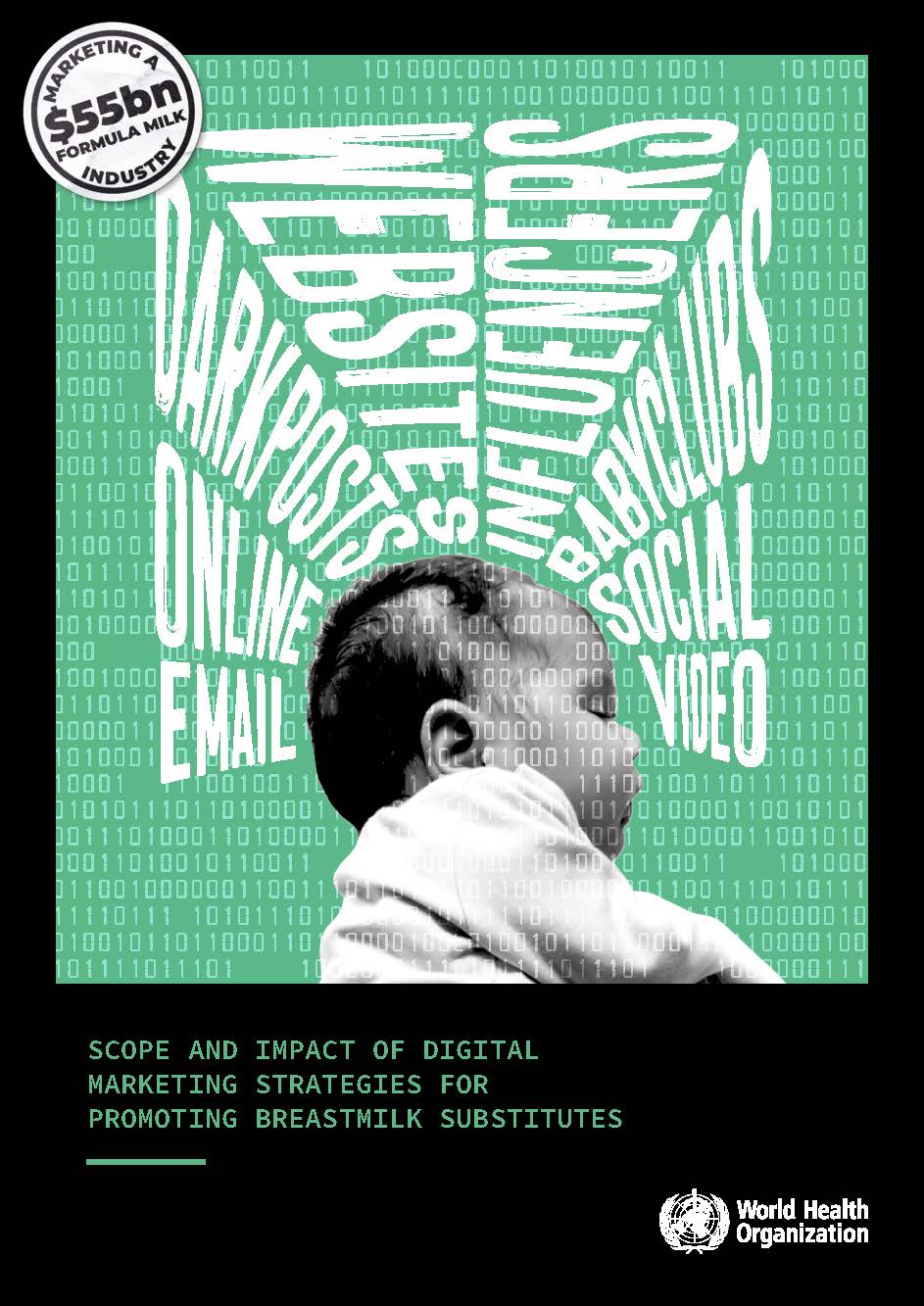
On April 29, 2022, the World Health Organization launched a new report on the scope and impact of digital marketing to promote breast-milk substitutes. In this presentation, we learn about online exploitive tactics used by the formula milk industry and how these behaviors influence the feeding decisions that today's parents make.

The International Code of Marketing of Breast-Milk Substitutes was adopted as the Code on May 21, 1981, following its introduction at the 33rd World Health Assembly in May 1980. It was developed as part of a collaboration between the WHO and UNICEF to improve the health and nutrition of infants and young children. Previously, in 1974 at the 27th World Health Assembly, the decline in breastfeeding related to different factors, including the production of manufactured breast-milk substitutes, was addressed. Since adopting the International Code of Marketing Breast-Milk Substitutes, Member countries have been urged to review sales promotion activities on baby foods and ​introduce appropriate remedial measures, including advertisement codes and legislation.
Copyright U.S. Breastfeeding Committee.  All Rights Reserved.
1629 K Street NW, Suite 300 | Washington, DC 20006
Phone: (773) 359-1549 | [email protected] | sitemap
QuestionPro's survey software plays a major role in helping us keep in touch with our alumni, volunteers, donors, employees, and other affiliates. Surveying them has helped strengthen our relationship.

Picture